

Game Theme
Book
Game ThemeBook |
ProviderPragmatic Play |
Volatility |
RTP96.50% |
Max Multiplier |
Min Bet0.20 CHF |
Max Bet2'000.00 CHF |
Book of Monsters unfolds an exploration universe where an ancient book and monstrous creatures share the stage. The concept revolves around a mythical narrative: a mysterious grimoire becomes the anchor point of an adventure that calls forth fantastical figures, legends, and distinctive iconography. The setting is restrained; it establishes a backdrop of puzzles and discoveries that supports a deliberately dynamic gameplay. The whole is driven by visuals highlighted as “captivating,” signaling particular care given to artistic direction and rendering details.
Created by Pragmatic Play, this video slot embraces an adventurous vein: occult library, archaic symbols, and unsettling beasts. The thematic focus aims to merge myth with the unknown, featuring graphics that suggest turning pages, glowing seals, and creature appearances. The tone is narrative, like a chapter being leafed through; each spin adds a line to the story, and the “book” imagery serves as a unifying thread connecting the scenes.
The game pace is described as dynamic, reflected in how events unfold on screen. “Monstrous surprises” punctuate the narrative: the idea isn’t to list secondary modules, but to convey progress with accents and pauses, like a journey where tension builds with each discovery. In this spirit, the structure remains readable and focused, without distraction. The “book” element provides a clear pivot, while the presence of “monsters” adds the visual and dramatic counterpoint needed to create contrast.
The result is a coherent framework: a strong adventure theme, staged bestiary, and a visual design emphasizing immediate impact. No heaviness; the promise is a lively experience, supported by an aesthetic aimed at efficiency. Overall, it seeks an experience where curiosity for the unexplored serves as narrative fuel, with appearances that pop up as plot twists. This is the heart of Book Of Monsters’ identity: a graphic adventure structured around a grimoire, with creatures as counterpoints and deliberately brisk progression.
The visual approach highlights captivating visuals and an aesthetic of mythological adventure. The background is conceived as a stage for revelations: pages, seals, bindings, and esoteric signs set up a scene of ancient archives. The presence of monsters imposes a strong, almost theatrical contrast: silhouettes, faces, and poses suggest encounters that are both spectacular and narrative, like chapters suddenly opening.
The rendering emphasizes readability and depth. Key elements — the book and the creatures — stand out to structure the viewer’s focus. Animation supports this presence: transitions and highlights provide space for the “monstrous surprises” to appear at the right moment, like a stage effect. The style does not veer toward abstraction or pure realism; it adopts the visual language of an adventure tale, with a sense of graphic storytelling and a taste for symbolism.
The core visual language revolves around a few immediately identifiable motifs. The following elements form the iconographic framework:
These symbols are not mere thematic markers; they organize the staging and define the visual tempo. The book reads as a narrative pivot, while the creatures act as climactic points, emerging to give weight to key sequences. Together, they compose a clear graphic grammar: an anchor point (the grimoire) and dramatic accents (the monsters).
The audio direction aligns with the atmosphere of adventure and myths. Effects accompany key moments and reinforce the sense of discovery, with emphasis at the time of notable appearances. The soundtrack integrates with the visual setup to highlight transitions, support dramatic tension, and give life to the “monstrous surprises” that structure the flow. The result serves overall readability: a soundscape framing the action and respecting the central role of the book and bestiary.
The structure of Book Of Monsters relies on dynamic gameplay and monstrous surprises that emerge like rhythm breaks. Rather than piling up sub-systems, the game focuses on clear pivots: a central element — the ancient book — and creature interventions that structure the key moments. This approach favors a readable flow, where each visual jolt has a precise place in the progression.
The term “dynamic” refers to a deliberately sustained sequence: responsive animations, fast transitions, and emphasis on key sequences. This dynamism aims for a rhythmic experience, with a breakdown of highlights and pauses, like successive episodes in an exploration story. The mechanics keep attention on the thematic core without unnecessary diversions.
The ancient book acts as a pivot. It crystallizes the theme of discovery: seals, pages, symbols, and clues hint at revelations. Opposite it, the monsters embody unexpected appearances. These “surprises” function like stage breaths: they interject in the spin flow to mark acceleration, open a visual parenthesis, or trigger a more spectacular sequence. The balance between these two poles — the book and the creatures — defines the slot’s signature.
| Element | Description |
|---|---|
| Experience type | Video slot with an adventure theme, structured around an ancient book and a bestiary of creatures. |
| General mechanics | Dynamic gameplay with a sustained sequence of events and transitions designed to highlight key moments. |
| Central element | The ancient book, a narrative and visual pivot that organizes the game’s imagination and anchors the whole experience. |
| Highlights | Monstrous surprises appear as stage accents, enhancing contrast and rhythm. |
| Atmosphere | Universe of mythical exploration, esoteric iconography, and unsettling bestiary. |
Book Of Monsters builds its personality on a clear and effective duo: a grimoire that channels attention and monsters that provide the dramatic counterpoint. The visual direction, described as captivating, reflects a desire for coherence: an exploration setting, readable symbolism, and striking appearances. The choice of dynamic gameplay sets the overall tempo: few dead moments, crisp transitions, and staging that emphasizes “surprises.” This game grammar prioritizes clarity; the universe can be grasped at a glance, and the structure gives prominence to the most significant elements.
Thematically, the “myths and creatures” axis follows a tradition appreciated in adventure slots, while focusing on a strong symbol — the book — to avoid dispersion. This unique focus has a practical advantage: it provides an immediately perceivable direction for each sequence, as if the page turns at the right moment. In terms of execution, the emphasis on visuals and the presence of “monstrous” events appearing in touches support the ambition of a rhythmic experience, close to a graphic serial.
The contribution of Pragmatic Play is visible in this care for accessible visual storytelling, without overload. The universe holds together: targeted artistic direction, a bestiary that structures the action’s peaks, and a connecting thread that never falters. Without multiplying modules, the slot refocuses on its fundamentals: contrast, rhythm, readability. This deliberate simplicity allows the theme to express itself unfiltered, with the book/monsters duo asserting its obviousness.
Ultimately, Book Of Monsters functions as a compact exploration scene: a video slot with an adventure theme and concise storytelling, it relies on strong imagery and monstrous surprises that fit into dynamic gameplay. The whole creates an experience built on a few well-defined pillars: a central symbol immediately identifiable, a bestiary marking the climaxes, and pacing that prioritizes clarity. This simple and clear identity forms the cornerstone of the proposition.

| 49+ x5000 6 x4 | 40+ x500 5 x2 | 7 x6 |
|---|---|---|---|

| 49+ x500 6 x2 | 40+ x250 5 x1 | 7 x3 |

| 49+ x250 6 x1 | 40+ x125 5 x0.5 | 7 x1.5 |
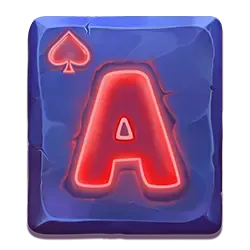
| 49+ x200 6 x0.75 | 40+ x100 5 x0.4 | 7 x1.25 |

| 49+ x150 6 x0.6 | 40+ x75 5 x0.3 | 7 x1 |
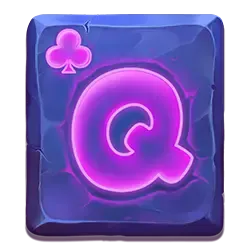
| 49+ x125 6 x0.5 | 40+ x62.5 5 x0.25 | 7 x0.75 |

| 49+ x100 6 x0.4 | 40+ x50 5 x0.2 | 7 x0.6 |

| Scatter |
What is the main theme?
An exploration adventure with mythical accents: occult library, esoteric symbols, and a menacing bestiary, with the book as a connecting thread.
What role does the grimoire play in the experience?
A narrative and visual pivot, it organizes the imagination, suggests revelations, and structures key sequences.
How do the creatures intervene during gameplay?
They appear as “monstrous surprises,” marking climaxes and creating readable rhythm breaks.
What do the artistic direction and animations look like?
“Captivating” visuals, clear and contrasted; pages, seals, and bindings on stage. Reactive animations and fast transitions highlight key moments.
How does the soundtrack accompany the action?
An occult adventure atmosphere: effects synced with appearances and transitions to support tension and clarity.
OL-AGG-20250604-014